













As interest rates show signs of easing, many manufacturers remain cautious about capital investment. According to Ann Brodette, Senior Vice President and General Manager of the Industrial Equipment Finance Division at Mitsubishi HC Capital America, uncertainty—not borrowing costs—is now the primary factor slowing growth.
“Interest rates may be easing, but it is uncertainty that continues to slow investment,” said Ann Brodette. “Manufacturers can’t afford to wait on interest rates to be attractive. If manufacturers want to grow, they must understand their liquidity, read the economy with discipline, and make strategic moves to remain competitive—and be positioned ahead of the next cycle.”
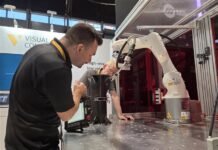
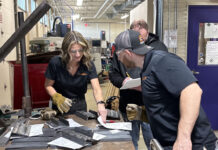
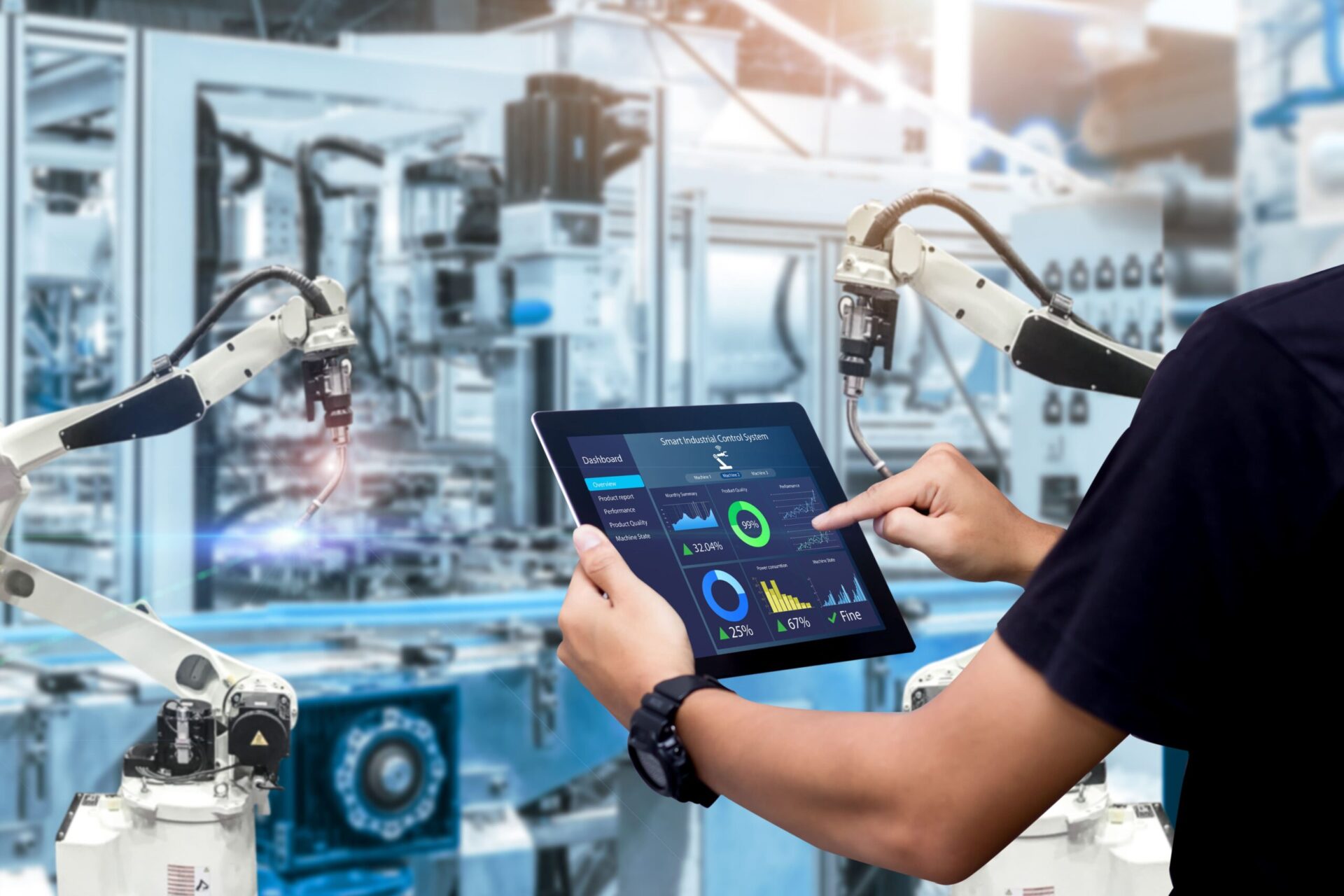
At the same time, persistent labor shortages are forcing manufacturers to reassess how work gets done. Automation and workforce development are no longer distant objectives; they have become immediate operational priorities.
“Persistent labor shortages are pushing manufacturers to rethink how work gets done,” Brodette said. “Automation and upskilling are no longer long-term concepts—they are near-term necessities. The right financing structure can make that transition faster and more practical for companies of all sizes.”
Brodette cautioned against treating technology investments and workforce development as separate or competing priorities. Instead, she emphasized the importance of coordinated planning.
“Manufacturers are treating automation and upskilling as competing investments when successful companies prioritize financing both simultaneously,” she noted. “Automation without trained workers leaves expensive equipment sitting idle because no one knows how to operate it effectively.”
With supply chains stabilizing but economic caution lingering, Brodette said manufacturers that align investments in both people and technology are gaining a measurable advantage.
“With supply chains stabilized but economic caution persisting, companies making coordinated investments in both technology and people are gaining competitive ground,” she said.
As manufacturers navigate a complex economic environment, strategic financing decisions can help balance risk, accelerate modernization, and ensure organizations are prepared to capitalize when market conditions improve.